

10 May Institute of Fundraising’s GDPR advice comes under fire
At the Goodwill Partnership we like to think we have a few strings to our bow. One of these is our knowledge of marketing and fundraising. You see, our backgrounds are within affinity and brand partnership marketing. Our sister company is Howse Jackson Marketing (and amongst other things we founded the largest partnership marketing LinkedIn group in the UK).
This allows us to have a far broader perspective when it comes to fundraising as well as marketing Will-writing services to charities and organisations. We know what is required, how to strategically plan a marketing campaign, and also how to implement it.
(Indeed, in the six years since we started, it’s clear to us that those charities who actively push Will-writing services to their volunteers and supporters gain a lot more traction than those that sit passively expecting someone to stumble upon a page of text on a website. It doesn’t really work like that. You need an active marketing plan).
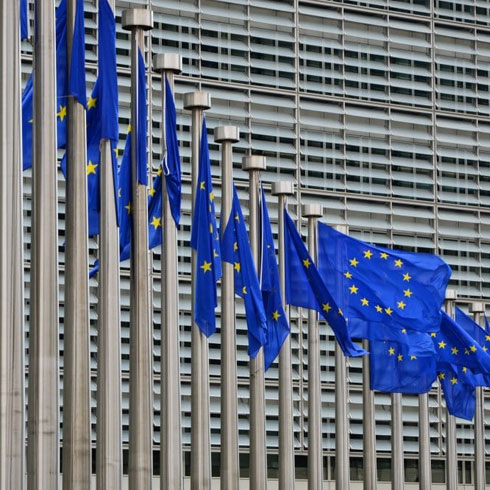
The reason we write this is that the Institute of Fundraising has come under fire for its response to the EU General Data Protection Regulation (GDPR) which comes into force in May 2018. This legislation carries enormous implications for charities and the way they use supporters’ data as well as their own fundraising strategies.
So we were intrigued to read that the Institute of Fundraising’s advice on new measures for marketing consent included in the EU data protection reforms has been slammed by one expert, who has blamed the industry body’s fundraising code for the confusion. Hmmmm…
What’s all the fuss about? Ironically it would appear that ‘unambiguous consent’ is itself an ambiguous statement! You see the IoF states that ‘unambiguous’ consent includes the possibility that the marketing message is so clear that it might achieve the spirit and ethos of ‘opting in’ even if there isn’t necessarily a tick box.
To quote one industry expert, that advice is *******. Ouch. As Tim Turner, a consultant on data protection and the Privacy & Electronic Communications Regulations, says, “Complying with the regulation isn’t about trying to capture some phantom ethos – it’s clear and unambiguous.” He adds, “Silence, pre-ticked boxes or inactivity should not therefore constitute consent”.
To us that’s pretty clear and, dare we say it, unambiguous!
The debate over charities marketing practices, data protection and the recent media furore over one or two fundraising stories only adds to our conviction that legacy fundraising will become more and more important moving forwards. Not least because, by having a Will written by a solicitor, there is no room for ambiguity. None at all.